BCrypt
Password Hashing
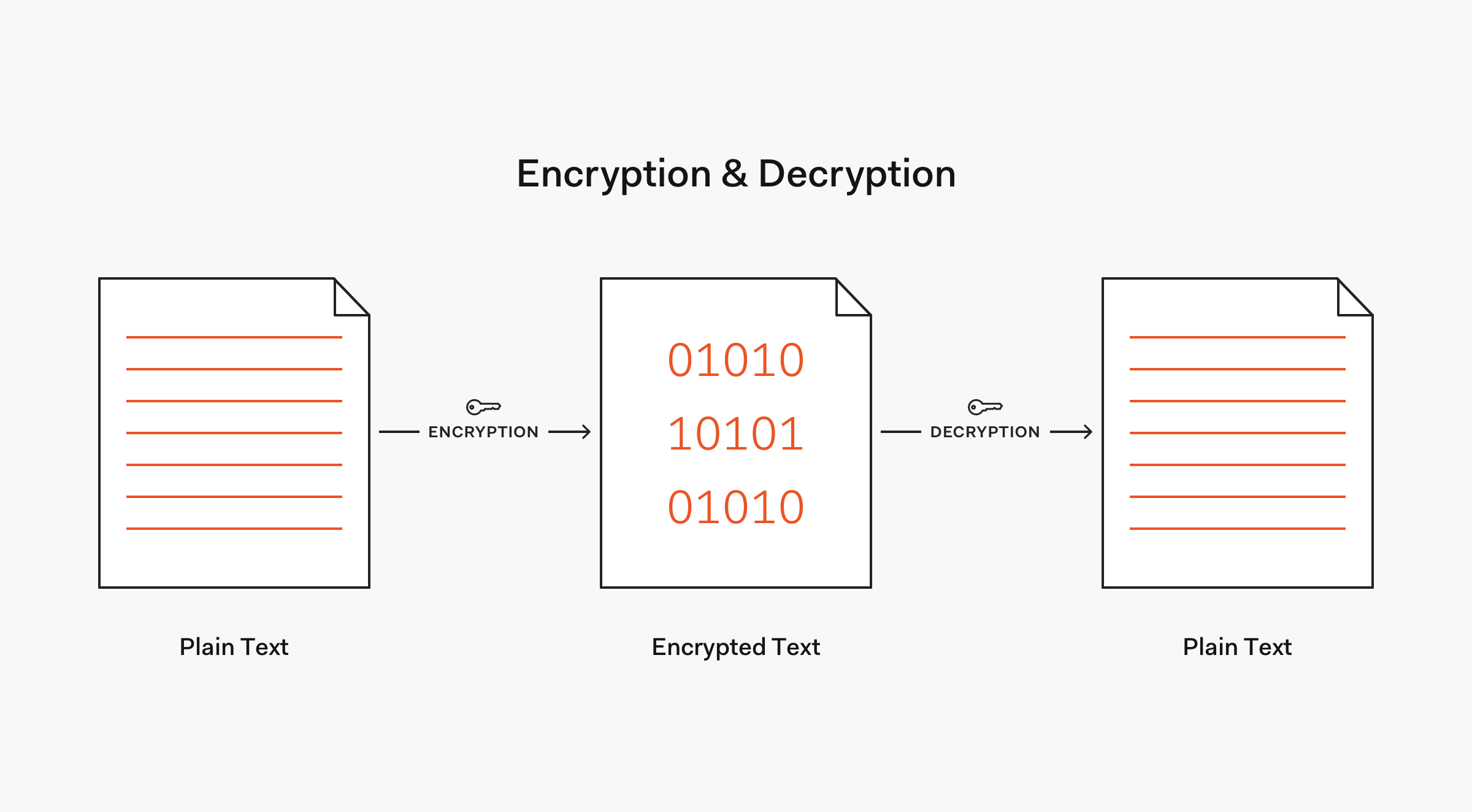
In order to have a functional web application with user registration and for that we need a database with the users credentials, storing user’s data can be dangerous , for an example we can’t simply store passwords as plain texts , we need a way to encrypt and decrypt these passwords whenever it is necessary. A simple approach to solve this problem is to use hashing algorithms which “hash” the password to one long line of characters.
Hashing algorithms are powerful because:
-
It is easy to compute the hash but difficult or even impossible to regenerate the original password if only the hash value is known.
-
It’s difficult to create an initial input that would match a specific desired output.
Some commonly used hashing algorithms are:
-
MD5
-
SHA
-
SHA-256
jBCrypt
is a Java™ implementation of OpenBSD’s Blowfish password hashing code, as described in “A Future-Adaptable Password Scheme” by Niels Provos and David Mazières.
The API is very simple:
// Hash a password for the first time
String hashed = BCrypt.hashpw(password, BCrypt.gensalt());

// gensalt's log_rounds parameter determines the complexity
// the work factor is 2**log_rounds, and the default is 10
String hashed = BCrypt.hashpw(password, BCrypt.gensalt(12));

// Check that an unencrypted password matches one that has
// previously been hashed
if (BCrypt.checkpw(candidate, hashed))
	System.out.println("It matches");
else
	System.out.println("It does not match");